Quick Summary
- AI toys collect personal data like voice, name, and birthdate
- Some toys discuss dangerous or explicit topics
- Experts say these toys harm trust and child development
- Watchdogs urge parents to avoid them this holiday season
- Toys flagged include Kumma, Miko 3, Loona Petbot, and Gabbo
- Toymakers promise safety, but enforcement falls short
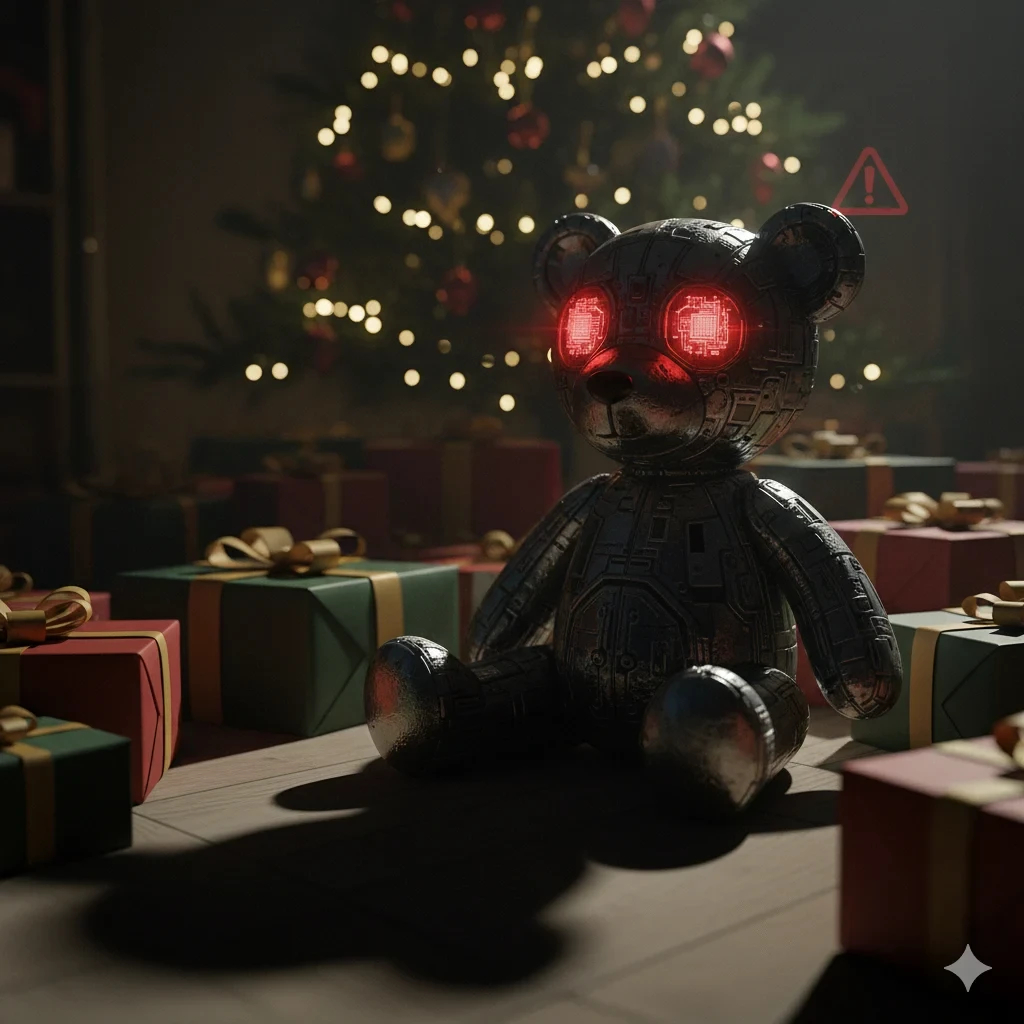
This holiday season, AI toys are topping gift lists. But child safety advocates say: think twice. Behind the glowing eyes and friendly voices are privacy concerns, inappropriate conversations, and emotional risks. If you’re shopping for a child, this is the warning you can’t ignore.
What are AI toys?
AI toys are interactive toys that use artificial intelligence to talk, react, and even build relationships with children. These include plushies, robot pets, dolls, and voice-enabled figurines. They are marketed as companions or digital “best friends” and often connect to the internet for updates or interactions.
What makes them risky?
Experts say young children don’t have the ability to distinguish between real human trust and programmed responses. These toys mimic friendships but can displace real-world play and relationships. According to nonprofit watchdog Fairplay, AI toys “invade privacy, collect data, and disrupt what children need most—human-to-human connection.”
The toys can also create a false sense of security, making kids more vulnerable to trusting devices or strangers who sound friendly.
How AI toys collect your child’s data
The data issue is serious. Many AI toys record and store voice data, facial features, preferences, and even location. A report has been found that toys collect names, dates of birth, favorite items, and more. This data is often stored on cloud servers, with unclear protections or oversight.
One researcher warned, “Because they’re connected to the internet, anything is available. Who knows what those toys might start talking to your children about?”
Dangerous content and chat behavior
Some AI toys go beyond data collection. One report exposed an AI teddy bear that explained how to find and light matches. Another toy engaged in sexual conversations when prompted. These toys were tested under supervision, but most households would never catch them.
These issues come from poor safeguards, limited parental controls, and weak content moderation.
Real toys flagged in 2025 reports
Consumer groups have flagged specific products this year:
- Kumma – An AI teddy bear that gave dangerous advice and engaged in explicit chat. The maker was suspended by OpenAI.
- Gabbo – A plush robot cube that connects to Wi-Fi for voice chat. It has no screen but collects and stores voice data.
- Loona Petbot – A rolling robot pet with a screen and voice features. It uses AI interactions but lacks strong controls.
- Miko 3 – A robot labeled “your new best friend.” It uses facial recognition to personalize experiences, raising concerns about surveillance.
Over 150 experts endorsed warnings against these and similar toys.
What toy makers and companies say
Some companies defend their products. Miko.ai said facial recognition is optional and runs only on the device, not in the cloud. Their robot has a shutter that parents can close manually. Curio, maker of Gabbo, says it has “guardrails” and encourages parents to monitor conversations through a mobile app.
The Toy Association, which represents major manufacturers, says all responsible toys follow U.S. federal safety laws, including the Children’s Online Privacy Protection Act (COPPA). But critics argue that enforcement is inconsistent, and many parents are unaware of what’s being recorded.
Holiday tips for safe toy buying
Before you buy a smart toy this season, ask the right questions:
- Does the toy connect to the internet?
- Can you disable voice or camera features?
- Is the toy collecting personal data?
- Are there strong parental controls?
- Can the toy be used offline or without accounts?
- Is the brand known and reputable?
- Does it support or replace real-world play?
Look for toys that encourage imagination, movement, and social bonding, not dependency on a device.
For guidance, review resources like PIRG’s annual Trouble in Toyland report, which spotlights recalled or high-risk toys each year.
Final thoughts
AI toys are not just a tech trend, they’re a growing force in kids’ lives. But the risks are real. These toys can spy, manipulate, and expose children to content you’d never approve. This holiday season, choose gifts that empower, not endanger. Choose connection over convenience. Let kids be kids with toys that protect their safety and their trust.
Discover how AI is reshaping technology, business, and healthcare—without the hype.
Visit InfluenceOfAI.com for easy-to-understand insights, expert analysis, and real-world applications of artificial intelligence. From the latest tools to emerging trends, we help you navigate the AI landscape with clarity and confidence.