Quick Summary
- Nvidia became a key investor in leading AI companies such as OpenAI and Anthropic.
- Nvidia AI investments strengthen its position in the ecosystem.
- CEO Jensen Huang recently suggested Nvidia may not continue making similar investments.
- Huang said opportunities to invest may disappear once AI firms go public.
- The explanation raised questions about Nvidia’s long term strategy in AI partnerships.
Nvidia’s Role in the AI Investment Boom
Nvidia AI investments helped shape the modern artificial intelligence industry. The company became the dominant supplier of chips used to train advanced AI models.
Large AI systems require massive computing power. Nvidia’s graphics processing units became the standard hardware for this work. Many companies building large language models rely heavily on Nvidia technology.
Demand for AI chips surged during the past few years. Nvidia experienced record revenue growth as AI development accelerated across the technology sector.
Many of the most prominent AI labs also became customers of Nvidia hardware. Some of these companies also received direct investments from Nvidia.
This approach strengthened Nvidia’s position in the center of the AI ecosystem.
Industry analysts often describe Nvidia as the infrastructure layer of artificial intelligence. The company sells the computing power required for nearly every modern AI system.
Research notes that advanced AI training requires enormous compute resources. Hardware providers play a central role in enabling AI development.
Nvidia used investments to deepen its partnerships with leading AI companies.
Why Nvidia Backed OpenAI and Anthropic
Nvidia AI investments included backing major AI research companies such as OpenAI and Anthropic.
Both organizations develop advanced language models and AI assistants. These systems require extensive training on powerful computing clusters.
Nvidia chips became the backbone of many of these training environments.
Financial investments served several strategic purposes. They strengthened relationships between Nvidia and leading AI developers. They also helped ensure these companies continued to rely on Nvidia hardware.
This type of partnership created mutual benefits.
AI labs gained access to critical computing infrastructure. Nvidia gained long term customers that depended on its technology.
The strategy helped reinforce Nvidia’s role as the central supplier of AI computing power.
Large technology companies often make strategic investments to build long term partnerships. Academic research describes these investments as ecosystem building. Companies strengthen their position by supporting partners that rely on their technology.
Nvidia’s investments followed this pattern.
Jensen Huang Signals Strategic Shift
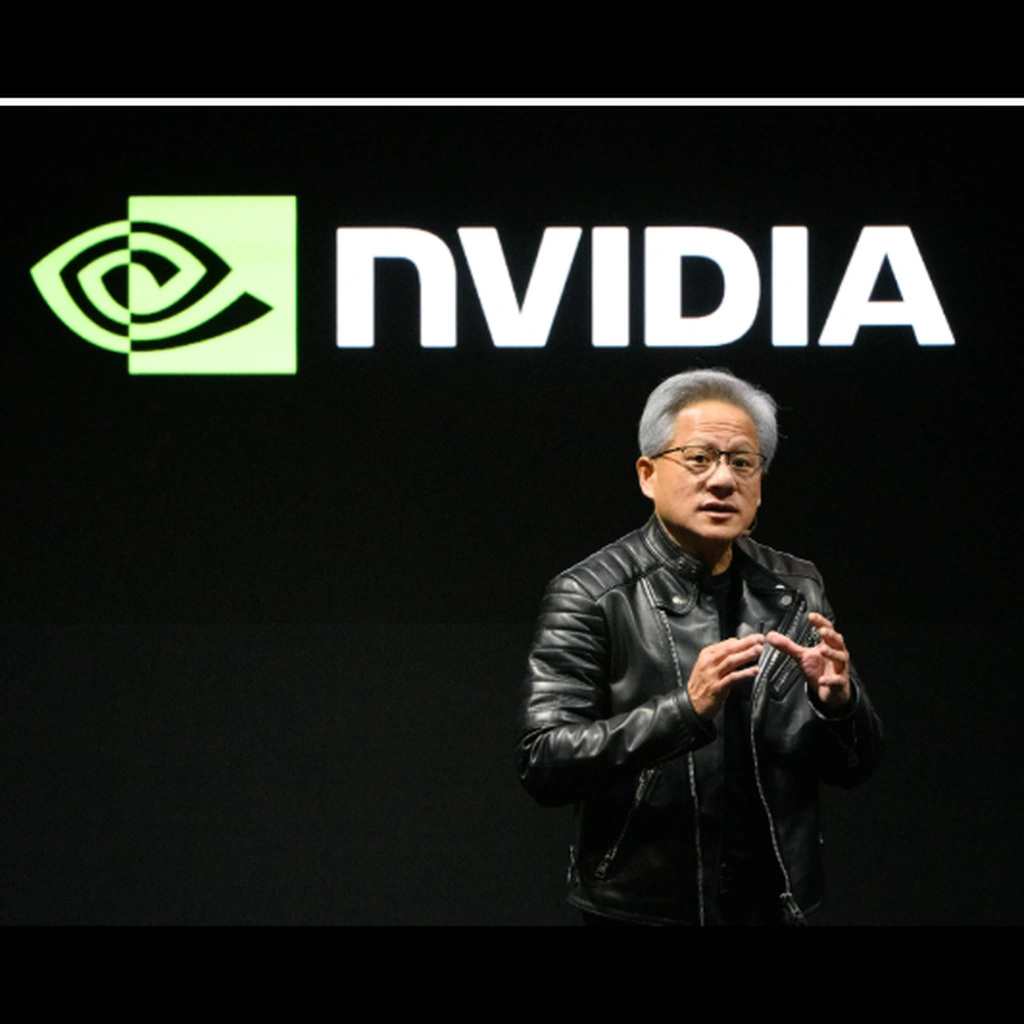
Recent comments from Nvidia CEO Jensen Huang suggest the company may not continue making AI investments in the same way it has in the past.
Huang discussed the topic during a major technology conference focused on media and telecommunications. During the conversation, he indicated that Nvidia may have fewer chances to invest in AI companies such as OpenAI or Anthropic going forward.
Part of the reason involves how the funding landscape changes as AI companies mature. When startups remain private, strategic investors like Nvidia often participate in funding rounds. Once companies begin preparing for public markets, those opportunities become more limited.
Huang suggested that Nvidia’s earlier investments may represent the last examples of this approach.
The remarks caught the attention of many industry observers. Nvidia remains closely tied to the success of major AI developers. Companies like OpenAI and Anthropic rely heavily on Nvidia chips to train and run their models.
Their continued growth drives strong demand for AI computing infrastructure.
Huang’s explanation centered on how the investment environment shifts over time. Early stage companies frequently raise money from strategic partners. Public companies tend to rely more on traditional capital markets instead.
As that transition happens, companies like Nvidia may find fewer opportunities to participate as investors.
Why the Explanation Raised Questions
Huang’s comments quickly raised questions across the technology industry.
Nvidia remains closely tied to the success of companies like OpenAI and Anthropic. Their AI models require enormous computing power. Much of that computing power runs on Nvidia hardware.
Because of this connection, some observers wondered whether Nvidia would truly step back from strategic investments. The company continues to benefit from the rapid expansion of AI development around the world.
Several analysts believe Nvidia may still shape the AI ecosystem in other ways.
Partnerships do not always require direct ownership stakes. Technology companies often work together through infrastructure agreements, hardware supply contracts, or joint research projects.
Nvidia already plays a role in many of these types of collaborations.
Industry research has repeatedly highlighted the importance of computing partnerships in modern AI development. Access to specialized hardware often determines which organizations can train the most advanced models.
This dynamic keeps Nvidia firmly at the center of the AI industry. Even if the company slows new investments, its influence over the AI landscape remains substantial.
Nvidia’s Larger Position in the AI Ecosystem
Nvidia AI investments are only one piece of the company’s larger strategy. The core of Nvidia’s business still revolves around selling advanced chips and computing platforms that power modern AI systems.
Artificial intelligence development depends heavily on specialized hardware. Graphics processors handle the large calculations required to train neural networks. Nvidia built an entire ecosystem around this technology.
Alongside its chips, the company provides software tools, developer frameworks, and data center platforms. These resources make it easier for researchers and companies to build AI systems that run on Nvidia hardware.
Over time, this ecosystem has encouraged many developers to stay within Nvidia’s platform.
A large number of AI organizations design their systems specifically for Nvidia architecture. Moving those systems to different hardware often requires significant engineering work. That reality strengthens Nvidia’s position in the market.
Industry research shows that Nvidia controls a large share of the AI accelerator market. The company continues to lead in both performance and developer adoption.
Strategic investments helped deepen relationships with major AI developers during the early surge of AI growth. As the industry matures, Nvidia may rely more on the strength of its infrastructure and technology platform.
What Nvidia AI Investments Might Signal
Nvidia AI investments played a meaningful role during the early surge of artificial intelligence development. By backing companies like OpenAI and Anthropic, Nvidia strengthened its ties with some of the most influential AI labs while reinforcing the hardware ecosystem that supports modern AI.
Recent comments from CEO Jensen Huang suggest this phase of direct investment may be coming to an end. As AI companies mature, many will likely turn to traditional venture funding or public markets rather than strategic backing from infrastructure providers.
Even so, Nvidia’s influence over the AI industry remains powerful.
The company still produces the computing hardware used to train many of the world’s most advanced AI models. As AI systems grow larger and more complex, demand for this infrastructure continues to rise.
Because of that, Nvidia will likely remain central to the industry even if it slows direct investments. Its technology powers the data centers that train large language models and other advanced machine learning systems.
Artificial intelligence will continue evolving quickly in the years ahead. Nvidia’s hardware platform ensures the company will remain closely tied to that progress.
Conclusion
Nvidia AI investments helped shape the early structure of the modern AI ecosystem. Strategic backing of companies like OpenAI and Anthropic strengthened Nvidia’s position as the infrastructure provider for advanced AI.
Recent comments from CEO Jensen Huang suggest that Nvidia may step away from making similar investments in the future. The explanation centers on the changing opportunities once AI companies move toward public markets.
Some industry observers remain uncertain about how this shift will unfold. Nvidia continues to benefit from the success of AI developers that rely on its hardware.
Even without new investments, Nvidia remains one of the most influential companies in artificial intelligence. Its chips power many of the systems driving the current AI revolution.
As AI research advances, the company’s role in providing the computing foundation for these technologies is unlikely to disappear. Nvidia may simply focus more on infrastructure leadership than on direct financial stakes in AI startups.
Discover how AI is reshaping technology, business, and healthcare—without the hype.
Visit InfluenceOfAI.com for easy-to-understand insights, expert analysis, and real-world applications of artificial intelligence. From the latest tools to emerging trends, we help you navigate the AI landscape with clarity and confidence.