Quick Summary
- A US official claims DeepSeek trained its upcoming AI model using Nvidia Blackwell chips.
- These advanced semiconductors are currently prohibited for export to China.
- The chips are reportedly located in a data center in Inner Mongolia.
- DeepSeek may attempt to hide technical data that proves the use of these chips.
- The situation intensifies the debate over US technology trade policies.
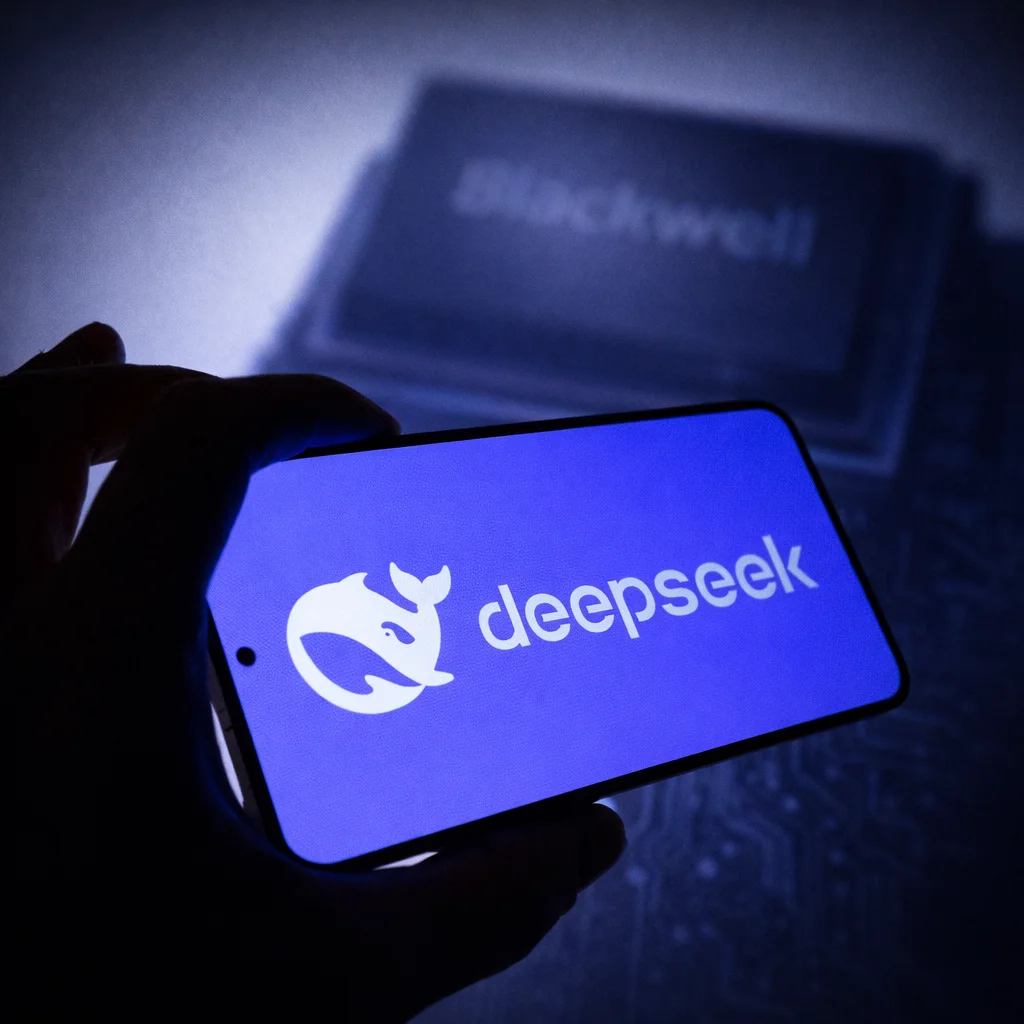
The Chinese artificial intelligence startup DeepSeek recently utilized Nvidia Blackwell chips to train its latest AI model. This information comes from a senior official in the Trump administration. These specific chips represent the most advanced technology from Nvidia. Current US export laws strictly forbid the shipment of Blackwell chips to China. This development suggests a significant breach of international trade regulations.
The new AI model from DeepSeek is expected to launch as early as next week. The use of these high-end processors allows for much faster training cycles. It also enables the creation of more complex neural networks. The US government is now monitoring the situation closely. Officials believe DeepSeek might try to alter the digital fingerprints of the model. This would hide the fact that American hardware was used in the process.
Hidden Infrastructure in Inner Mongolia
The US government tracks the movement of sensitive technology through various intelligence channels. Reports indicate that these Nvidia Blackwell chips are clustered in a specific region. The official identified a data center in Inner Mongolia as the likely site. Inner Mongolia is an autonomous region located in Northern China. It provides ample space and energy for large-scale computing operations.
The official did not reveal how the US obtained this specific information. They also did not explain how DeepSeek managed to acquire the restricted hardware. However, the policy regarding these chips remains very firm. The United States does not authorize any shipments of the Blackwell series to Chinese entities. This suggests that the hardware may have been obtained through third-party intermediaries.
Response from International Stakeholders
Nvidia has chosen not to provide a public statement regarding these reports. The US Commerce Department also remained silent when asked for details. Similarly, DeepSeek did not respond to inquiries about their hardware usage. The silence from these organizations highlights the sensitive nature of the topic.
The Chinese embassy in Washington has addressed the general situation. They expressed opposition to what they call ideological lines in trade. They also criticized the broad application of national security concepts. The embassy believes that export controls are being used for political purposes. They argued that technological issues should not be politicized in this manner.
A spokesperson for the Chinese foreign ministry also commented on the matter during a briefing. Mao Ning stated that she was not aware of the specific circumstances. She noted that China has explained its position on chip exports many times before. The tension between the two nations continues to grow as AI technology advances.
The Debate Over US Export Controls
This confirmation of chip use could create a rift among US policymakers. There is a deep disagreement on how to handle Chinese access to semiconductors. Some officials believe that strict bans are the only way to protect national interests. Others argue that limited sales might actually benefit the United States in the long run.
David Sacks and Jensen Huang have offered a different perspective on the issue. They suggest that shipping some advanced chips to China is a strategic move. This approach might discourage Chinese companies from developing their own hardware. If companies like DeepSeek can buy Nvidia chips, they might not rely on local firms like Huawei. This could help maintain the global dominance of American chip designers.
However, many experts disagree with this logic. They fear that commercial chips can be easily moved to military projects. These critics believe that advanced AI could improve China’s defense capabilities. Chris McGuire expressed these concerns clearly. He previously served on the White House National Security Council. He believes that any AI chip exports to China are dangerous.
McGuire pointed out that Chinese companies are ignoring US rules. He argued that these firms will not follow conditions set by Washington. This includes rules that forbid the use of chips for military purposes. The lack of compliance makes the export of any advanced technology a high risk.
The Commerce Department currently oversees all export controls for semiconductors. These rules are designed to keep the most powerful tools out of the hands of competitors. In August, there was a brief discussion about allowing scaled-down Blackwell chips in China. President Trump initially seemed open to this idea. He later changed his mind on the matter. He now believes the best chips should stay with US companies.
In December, the administration allowed the sale of H200 chips to Chinese firms. These are the second most advanced chips in Nvidia’s lineup. This decision was met with heavy criticism from many security experts. Even with approval, those shipments have faced delays. There are many technical safeguards built into the approval process. These “guardrails” are intended to prevent misuse.
Saif Khan previously worked as a director for the National Security Council. He believes that the use of smuggled chips proves a point. It shows that China cannot yet produce enough high-quality chips on its own. He noted that Chinese firms are desperate for a lifeline. Access to H200 chips would provide that support. The recent news about Nvidia Blackwell chips may change how the US views future requests for H200s.
Technological Distillation and Model Training
The official also discussed how the new DeepSeek model was built. It likely relied on a process called distillation. This technique uses existing models from leading American companies. This includes technology developed by Google, OpenAI, and Anthropic. Distillation involves a very specific training method.
In this process, a powerful older model acts as a teacher. It evaluates the answers generated by a newer, smaller model. This allows the new model to learn much faster. It effectively transfers the knowledge from the established AI to the new one. Both OpenAI and Anthropic have made similar allegations against DeepSeek in the past.
DeepSeek first gained international attention early last year. They released a series of models that performed as well as American versions. This caused a lot of concern in Washington. It suggested that China was closing the gap in the AI race. This happened despite the many restrictions placed on their technology sector.
Earlier reports suggested that DeepSeek had smuggled chips into the country. This is the first time the US government has confirmed their use in a specific facility. The Inner Mongolia site appears to be the center of this activity. This confirmation provides a clearer picture of the scale of the operation.
Conclusion
The use of Nvidia Blackwell chips by DeepSeek represents a major challenge for trade regulators. It shows that even the most advanced hardware can find its way across borders. The US government now faces a difficult choice regarding future exports. They must balance economic interests with national security concerns.
The upcoming release of the DeepSeek model will likely reveal more about its capabilities. It will also show if the distillation of American models was successful. As the AI race continues, the enforcement of export controls will remain a top priority. The situation in Inner Mongolia is a reminder of the global competition for computing power. Moving forward, the relationship between these two nations will be defined by their control over the future of intelligence.
Discover how AI is reshaping technology, business, and healthcare—without the hype.
Visit InfluenceOfAI.com for easy-to-understand insights, expert analysis, and real-world applications of artificial intelligence. From the latest tools to emerging trends, we help you navigate the AI landscape with clarity and confidence.